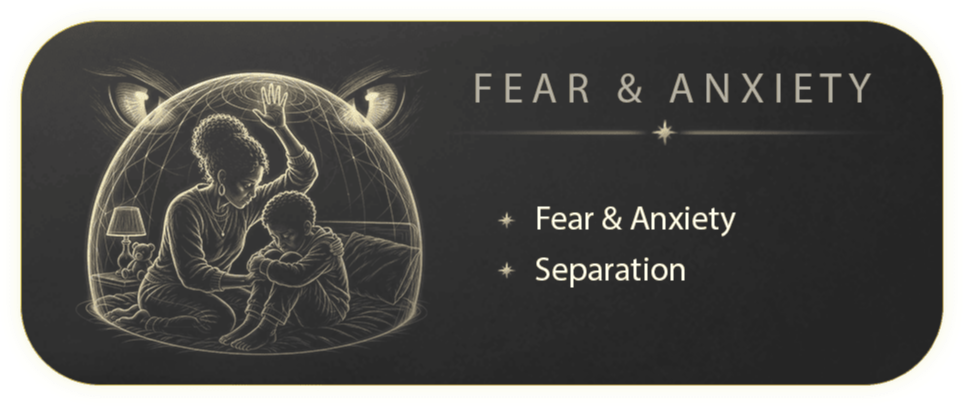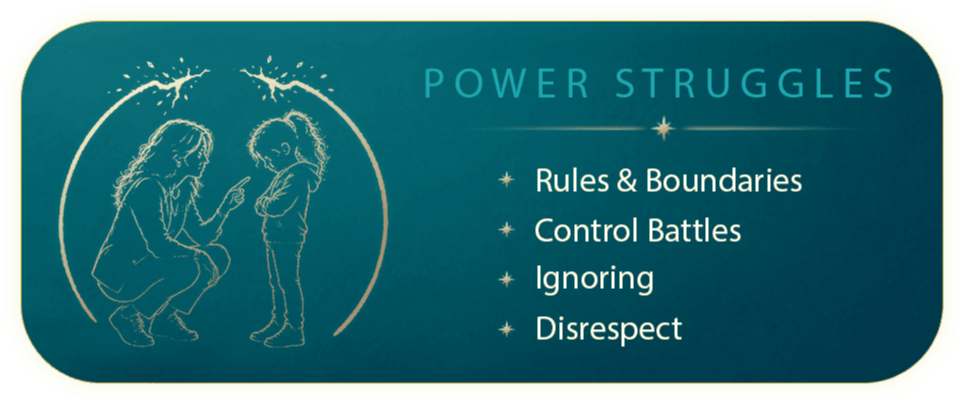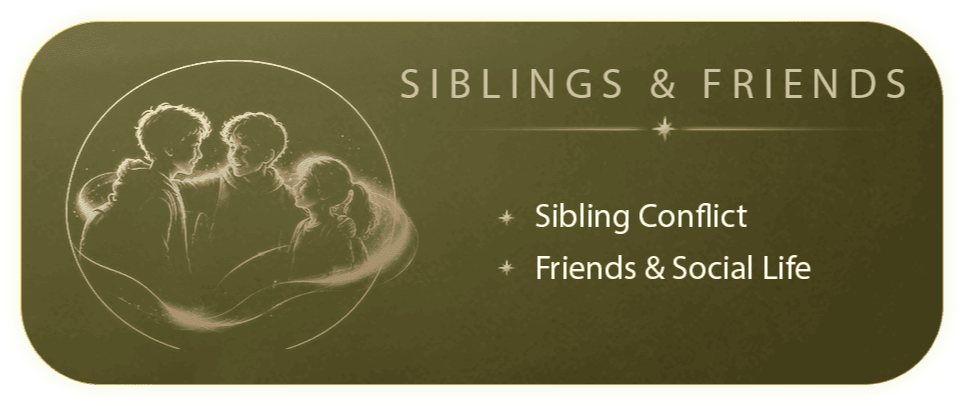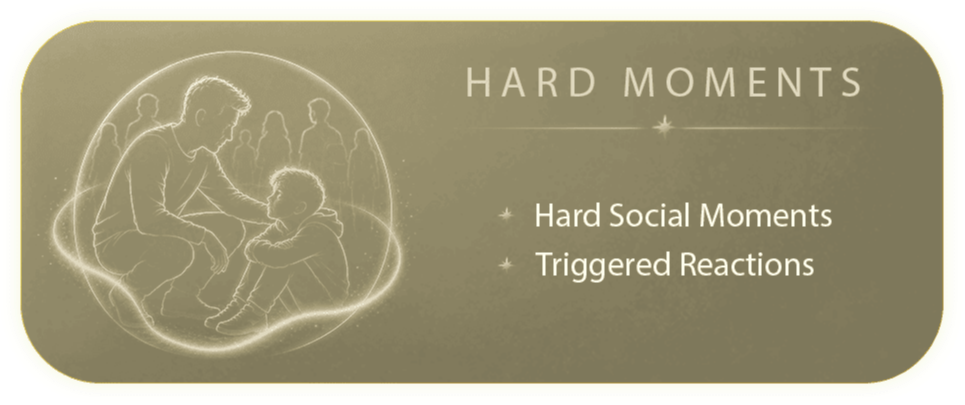

The Moments That Define Your Family — From the Inside

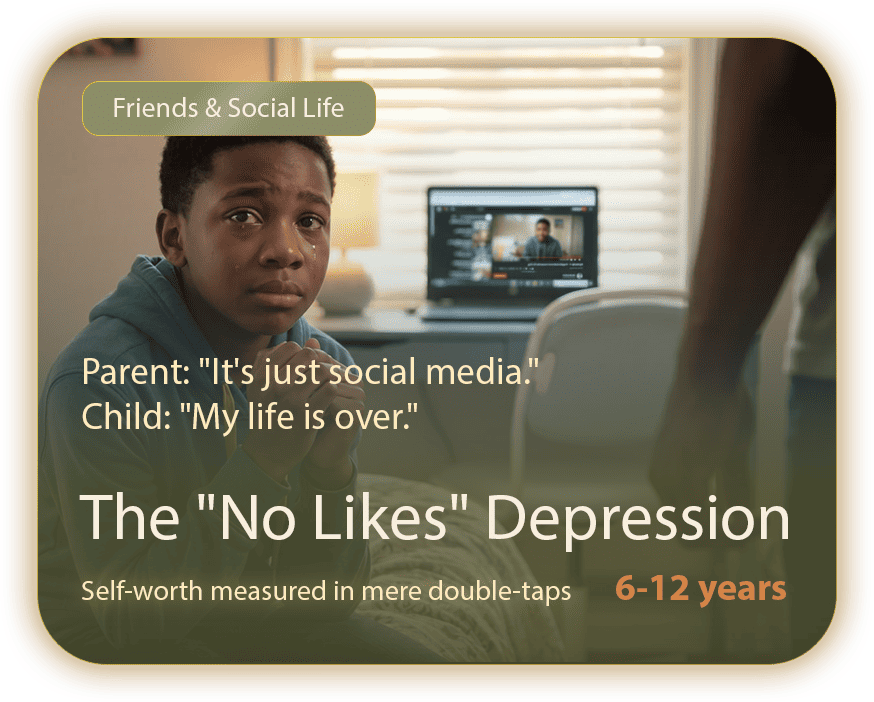
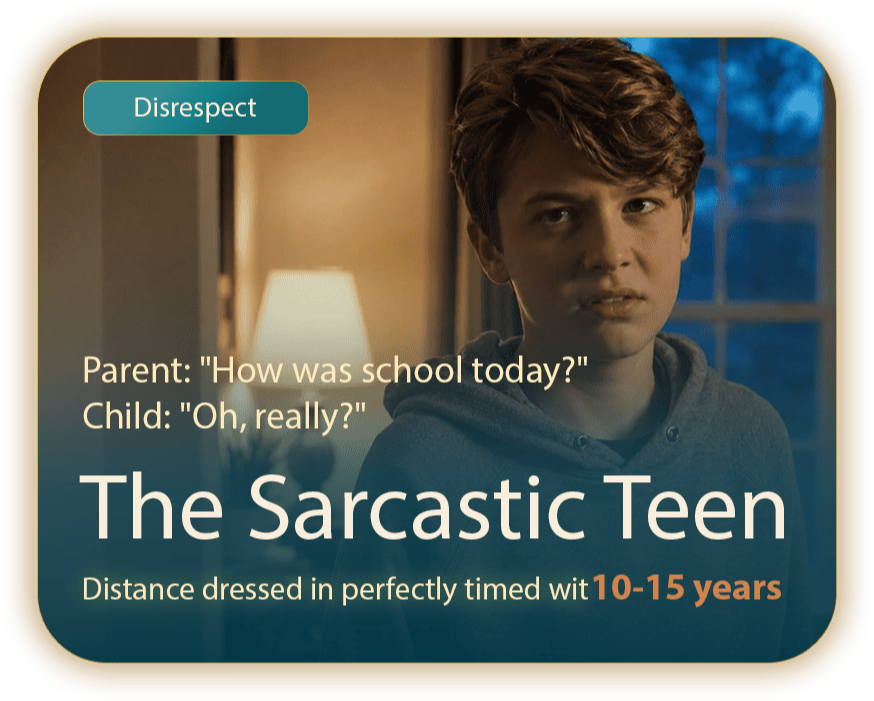
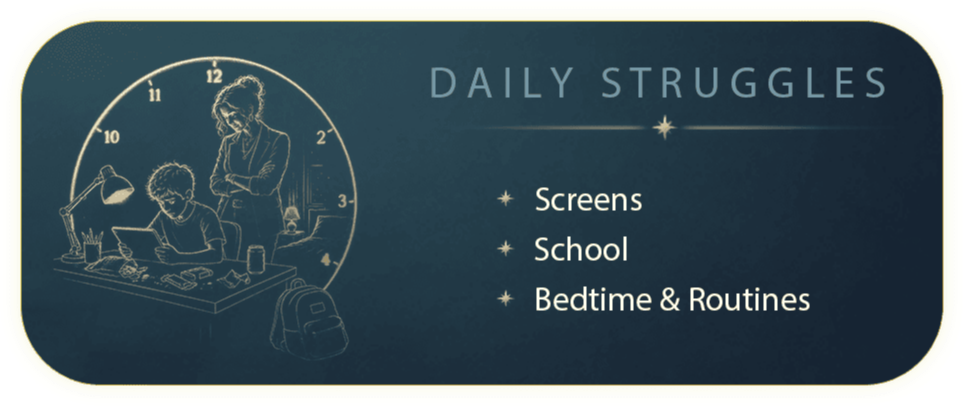
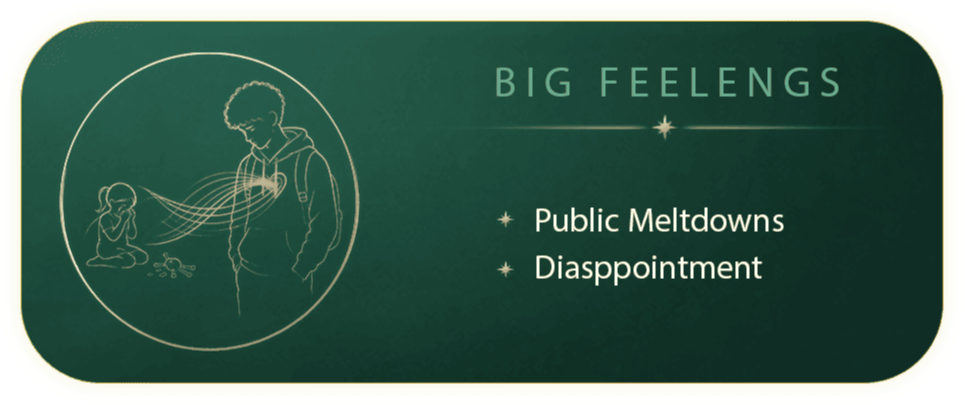
Step inside the exact moment: • Your 5-year-old pushes their baby brother. • Your 8-year-old refuses homework. Again. • Your 13-year-old screams "I hate you" and slams the door.

In 4 minutes, you'll understand: → What they're REALLY asking for → What your response is building (or breaking) → Why your childhood just showed up in this moment → How to respond differently — starting now

The difference between knowing what to say and actually saying it when they're screaming..

HOW IT WORKS

TRUE MOTIVATION: What your child is REALLY asking for

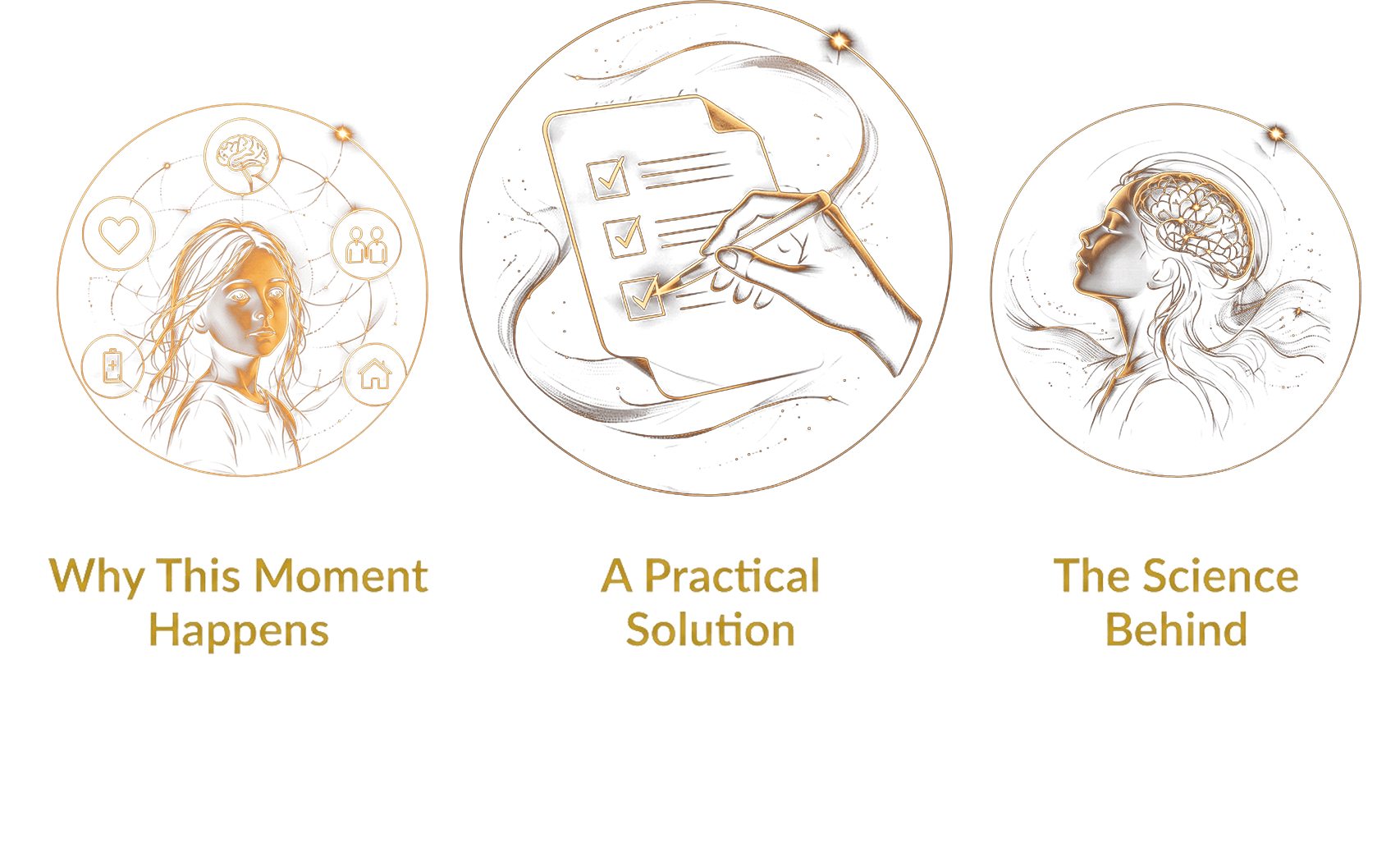
That tantrum about the wrong color cup? Not about the cup. The refusal to do homework? Not about the homework. The "I hate you" at bedtime? Not about bedtime. Every behavior is a message. This shows you what they're actually saying — and why you've been missing it.

WHAT WORKS / WHAT BREAKS

See three different responses to the same moment: What most parents do, what "gentle parenting" suggests, and what actually works. Then watch what each response creates in their brain. And yours.


EXPERT COMMENTARY: Neuroscience in plain English

No jargon. Just what's happening in their amygdala, why your tone matters more than your words, and what attachment pattern this activates. Written by licensed psychologists. Translated for exhausted parents.

Call To Action

DEEP DIVE: The "Why" Behind the Moment

Your child's perspective. Your perspective (what got triggered). The pattern (how this connects to your childhood). Not blame. Understanding. Not shame. Clarity.

Call To Action

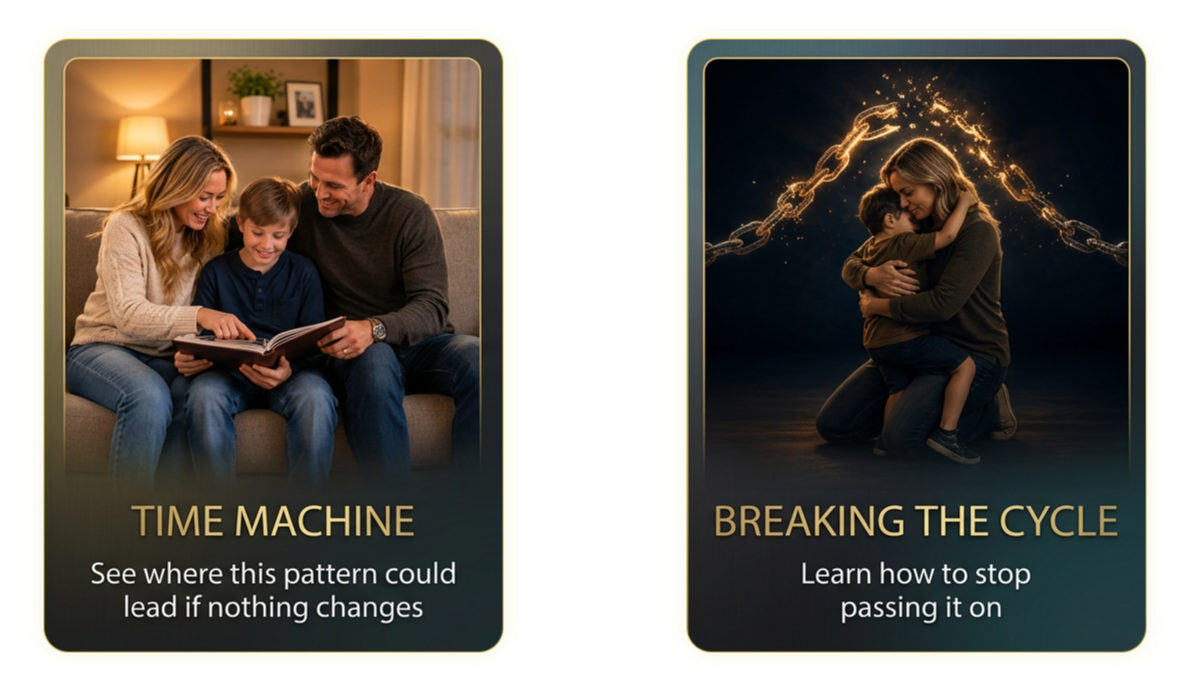
TIME MACHINE: See This Moment at Age 15. And 25.

How you respond today literally shapes their brain. We show you the future if you respond with connection vs. shame. Same moment. Different futures. Your choice changes which path they take.

Call To Action

MEMO: Screenshot It. Save It. Use It Tonight.

A clean, one-page cheat sheet with the key insight, exact scripts, and how to repair if you messed up. Designed to live on your phone. Next to the 847 screenshots of Instagram posts you never use. (Except you'll actually use this one.)

JUST TRY IT!

1.WATCH THE MOMENT
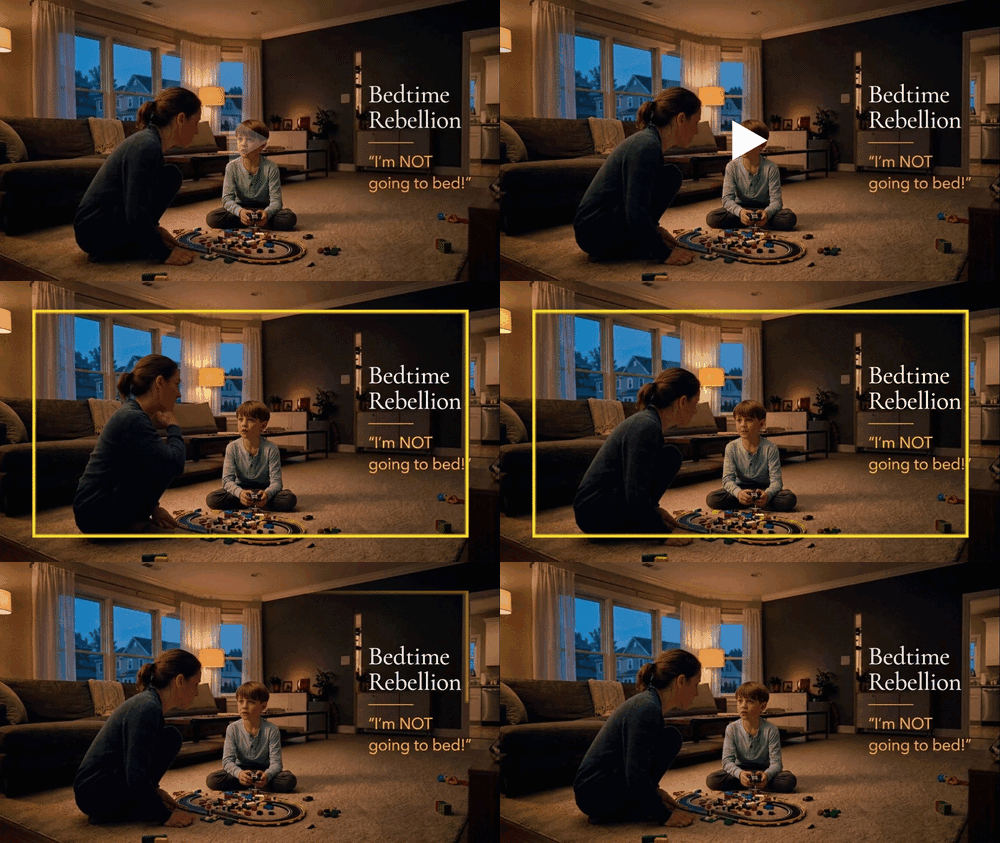
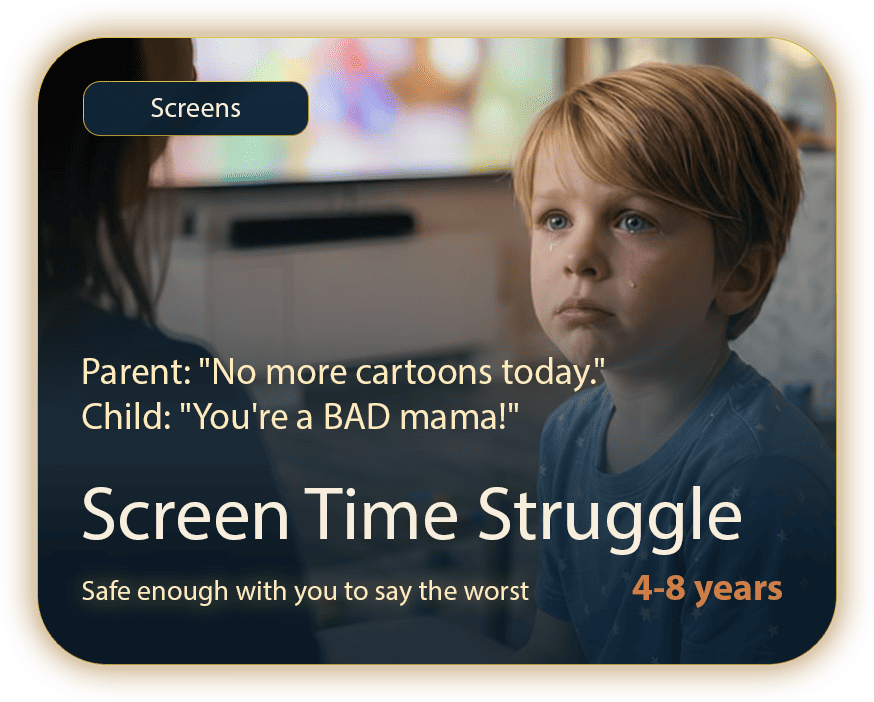
You're in it: your 6-year-old just pushed her baby brother. Hard. Not a generic scenario — Tuesday, 6:47pm, in your house.

2.CHOOSE YOUR RESPONSE
Three options. All feel true: what you actually did, what books say, and what might work. No judgment.

3.FEEL THE OUTCOME
Before the “answer,” pause: how would your child react? How would you feel? This trains intuition — connecting your gut to the neuroscience.

4.SEE THE FUTURE IMPACT
This isn’t just about today. One response can shape anxious attachment at 25; another can build secure attachment. You’re not choosing a script. You’re choosing who they become.

5.GET THE EXPERT BREAKDOWN
What you just watched — explained. What’s happening in their nervous system, translated for 2am brain fog.

6.SEE YOUR PATTERN
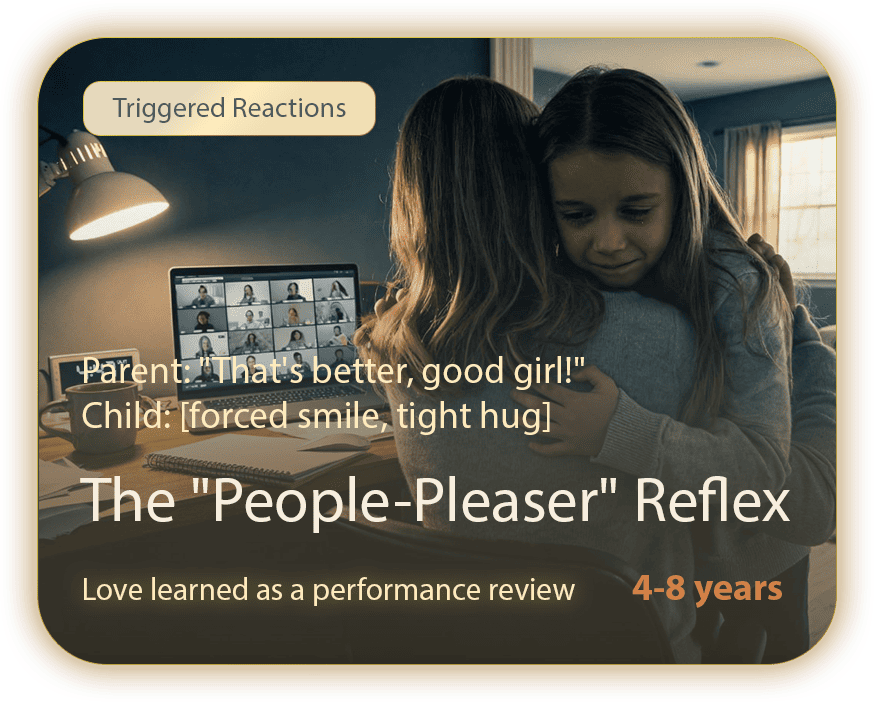
Why did that reaction feel automatic? Maybe because your mom said the same thing to you. This isn’t about blame — it’s about understanding how you parent.

7.SAVE THE MEMO
Screenshot-ready: exact words, warning signs, and repair scripts. Right next to your 2am Google searches.

Most Common This Week

Lorem ipsum dolor sit amet, metus at rhoncus dapibus, habitasse vitae cubilia.

Public Meltdowns

Lorem ipsum dolor sit amet, metus at rhoncus dapibus, habitasse vitae cubilia.

For Repeat Offenders

Lorem ipsum dolor sit amet, metus at rhoncus dapibus, habitasse vitae cubilia.

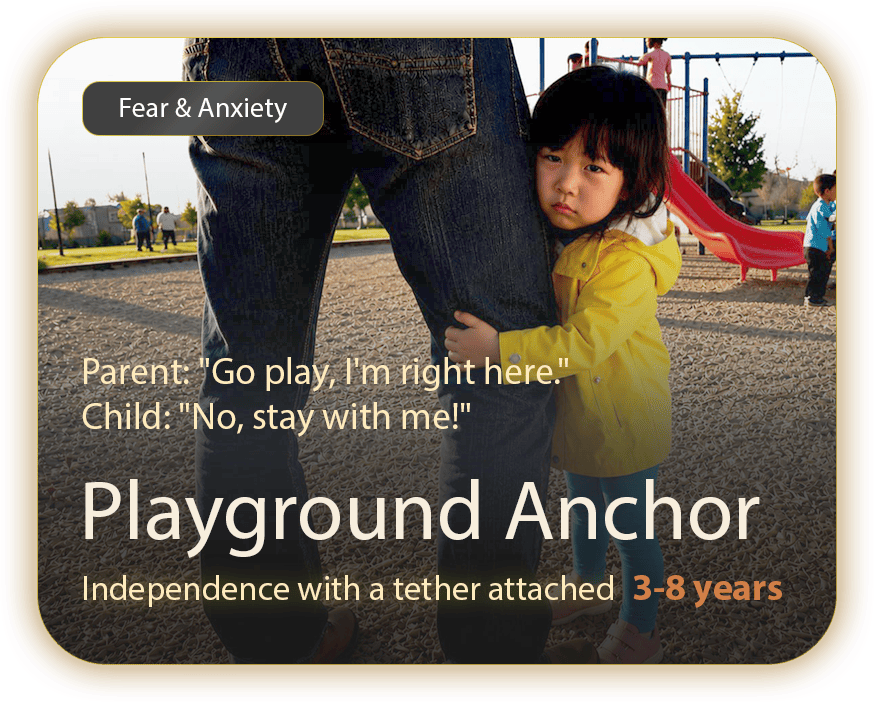
Bedtime & Separation

Lorem ipsum dolor sit amet, metus at rhoncus dapibus, habitasse vitae cubilia.


50+ Immersions: Find Your Exact Situation

  • 🔥 Most Common This Week
  • 🚨 Public Meltdowns
  • 😤 For Repeat Offenders
  • 💤 Bedtime & Separation

WHAT MAKES THIS DIFFERENT

Why Reading About Attachment Doesn't Change How You Parent

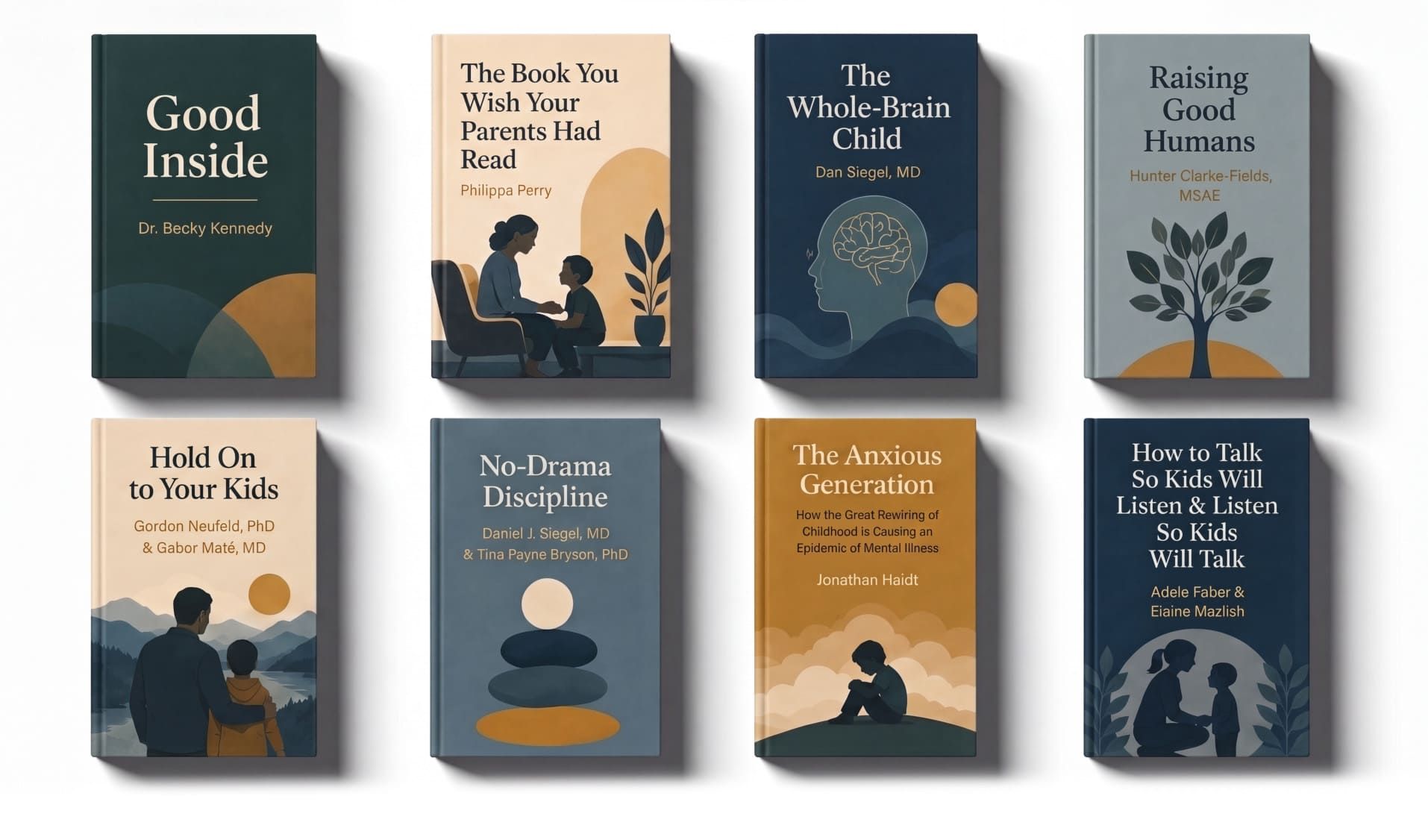
Here's the truth nobody tells you: Your brain KNOWS what to do. You've read the books. You understand attachment theory. But when your kid is melting down at Target, your nervous system takes over. And it's running your mom's program. Not Dr. Becky's. That's why advice doesn't stick. Immersions teach your nervous system — not just your brain.


FAQ

Common Questions